

Shell’s 580 South African Service Stations Could Create New Opportunities for EV Businesses
A new market for electrical contractors and technicians
For a South African business supplying electrical equipment or maintaining vehicle infrastructure, a petrol station could become a new customer. But getting the work will depend on more than the growing interest in electric cars. There must be a project, a budget and a decision about who will supply the equipment. That is why ADNOC Distribution’s planned acquisition of Shell’s downstream business in South Africa is worth watching.
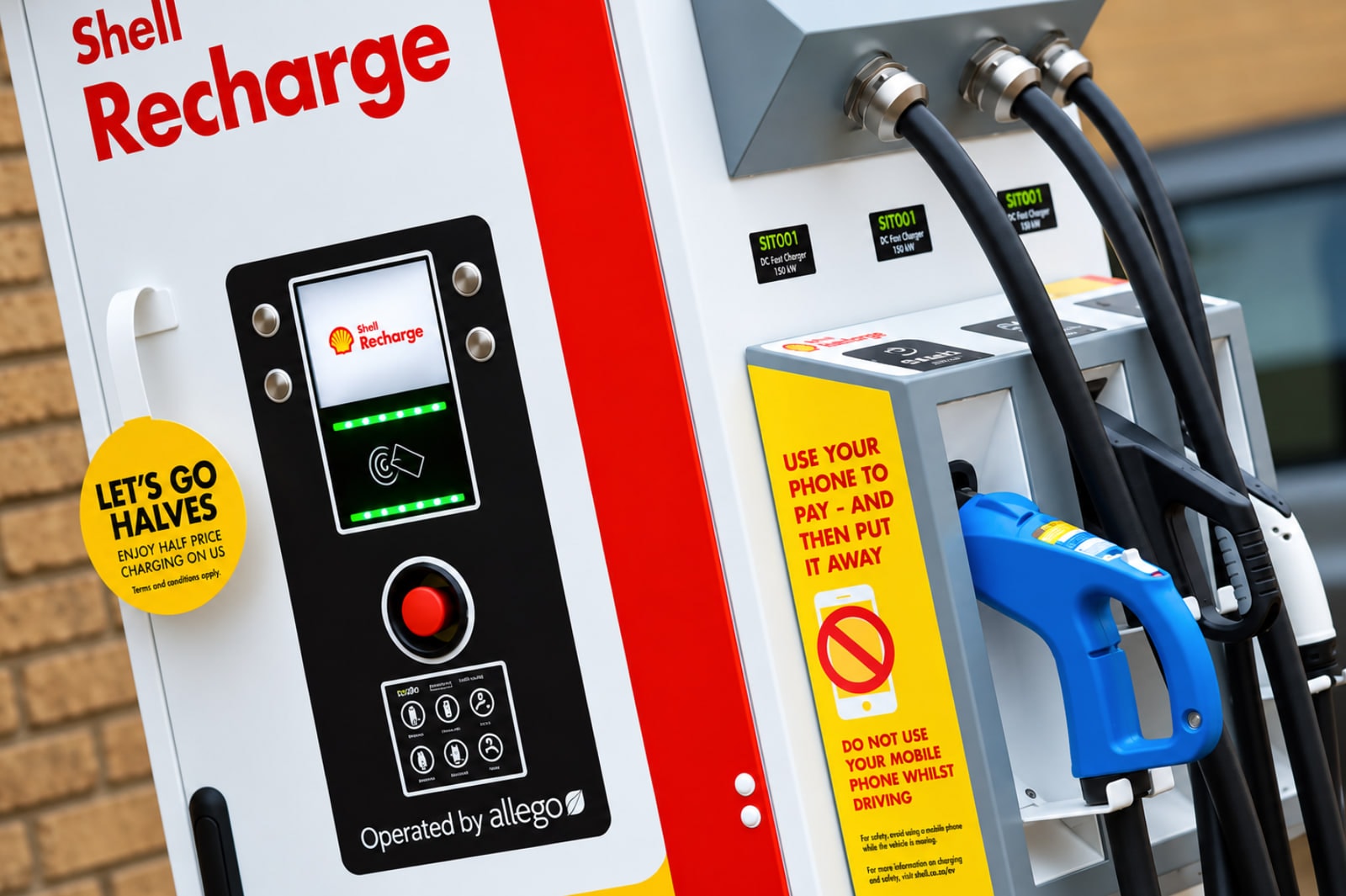
The transaction covers roughly 580 service stations. ADNOC has indicated that it wants to expand the services available at these sites, including electric vehicle (EV) charging. The deal is expected to be completed in 2027, subject to regulatory approvals. The company has not yet confirmed a nationwide charging rollout or said how many stations could be converted. For South African businesses, the immediate interest lies in what might be required if the plans move ahead.
A new market for electrical contractors and technicians
Installing an EV charger is a specialised job. Depending on the location, the operator may need to upgrade the electrical supply, install charging equipment and arrange for ongoing maintenance. That could put electrical contractors, equipment distributors and technical service companies in a position to compete for work. Businesses that repair charging units or maintain the electrical systems supporting them could also find opportunities as the network develops.
There is a practical question for smaller suppliers, though: will ADNOC buy these services directly, appoint larger contractors or allow smaller companies to tender for individual projects? The answer will determine how accessible the work is to local SMEs. Until procurement details become available, businesses should avoid treating the proposed expansion as a guaranteed source of revenue.
Choosing the right locations will matter
Installing chargers across an entire network would be an expensive exercise. Demand will vary from one station to another, and the cost of preparing each site could influence where the company invests first. A station on a major route between Johannesburg and Durban may attract motorists who need to recharge during a long trip. A site in an area with few electric vehicles may take much longer to build a regular customer base.
Power supply is another consideration. Some stations may need electrical infrastructure upgrades to support fast charging. The operator will have to weigh those costs against expected usage and the revenue the chargers could generate. South Africa's EV market is still developing, so operators cannot assume that every location will attract enough drivers to make charging commercially viable.
More time at the station could mean more retail sales
Petrol stations make much of their money from fuel and the products customers buy during a visit. EV charging could change that pattern because drivers may spend longer at a site while their vehicles recharge.
That could benefit convenience stores, food outlets and coffee shops, particularly at stations with seating and other facilities. However, the extra time only has commercial value if motorists choose to spend money while they wait. Independent retailers may also want to know whether the new operator plans to bring in outside businesses or manage additional services itself. That decision could determine whether opportunities extend beyond the existing station operator.
What SMEs should do now
Businesses hoping to work on future charging projects should start by identifying what they can realistically supply. An electrical contractor might focus on installation and maintenance, while an equipment distributor could look at charging hardware and related components.
They should also establish which technical standards, insurance requirements and procurement procedures apply to the projects they want to pursue. Spending heavily before contracts or specifications are available would be a risk. The next useful development will be a clearer indication of which stations ADNOC intends to upgrade, how much it plans to invest and how suppliers will be selected.
The acquisition gives ADNOC control of an established service station network. Whether that translates into new work for South African businesses will depend on the investment that follows and the extent to which local suppliers are included. For now, the opportunity is worth monitoring. The real test will be whether plans for EV charging turn into projects that local companies can actually bid for.
Vutomi Manzini
Share Your Thoughts
Loading comments…
Keep Reading
More Stories You'll Like
 News
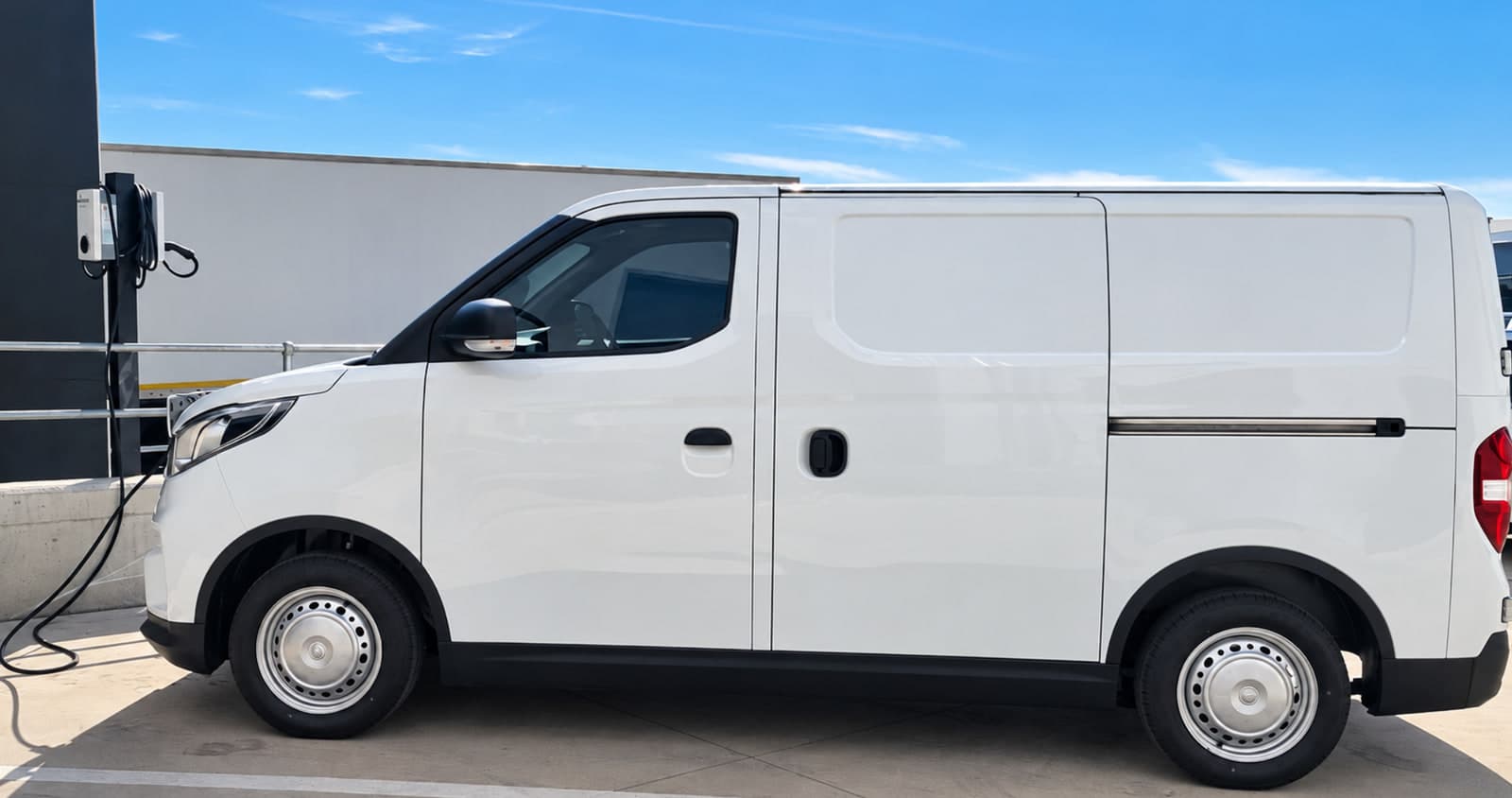
Can electric delivery vehicles work for South African small businesses?
A small delivery company can spend a surprising amount keeping its vehicles on the road. There is fuel to buy every week, repairs to pay for and instalments that still have to be covered when a van spends two days in a workshop.
News
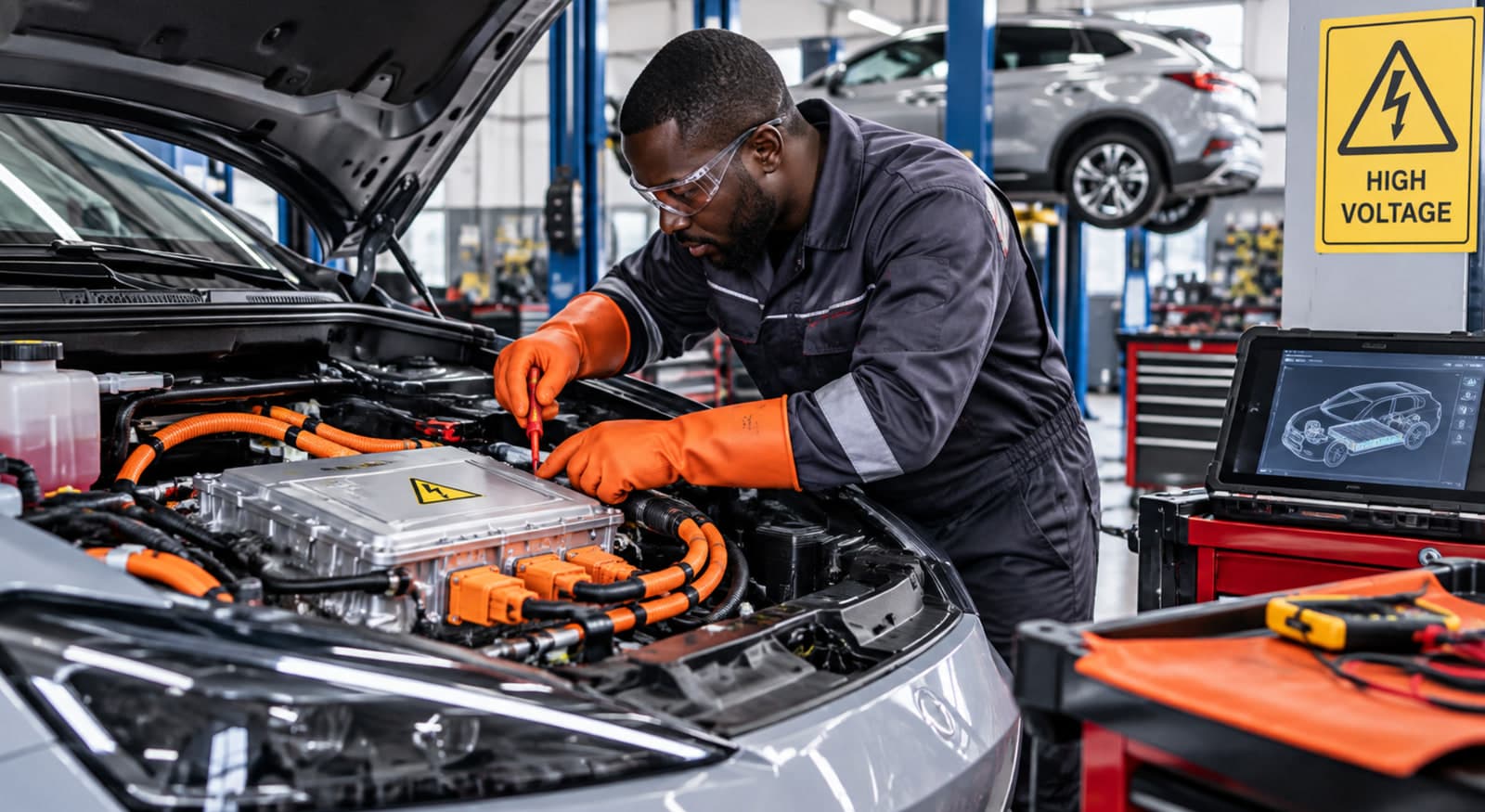
South African workshops face a new problem as electric cars arrive
2 min read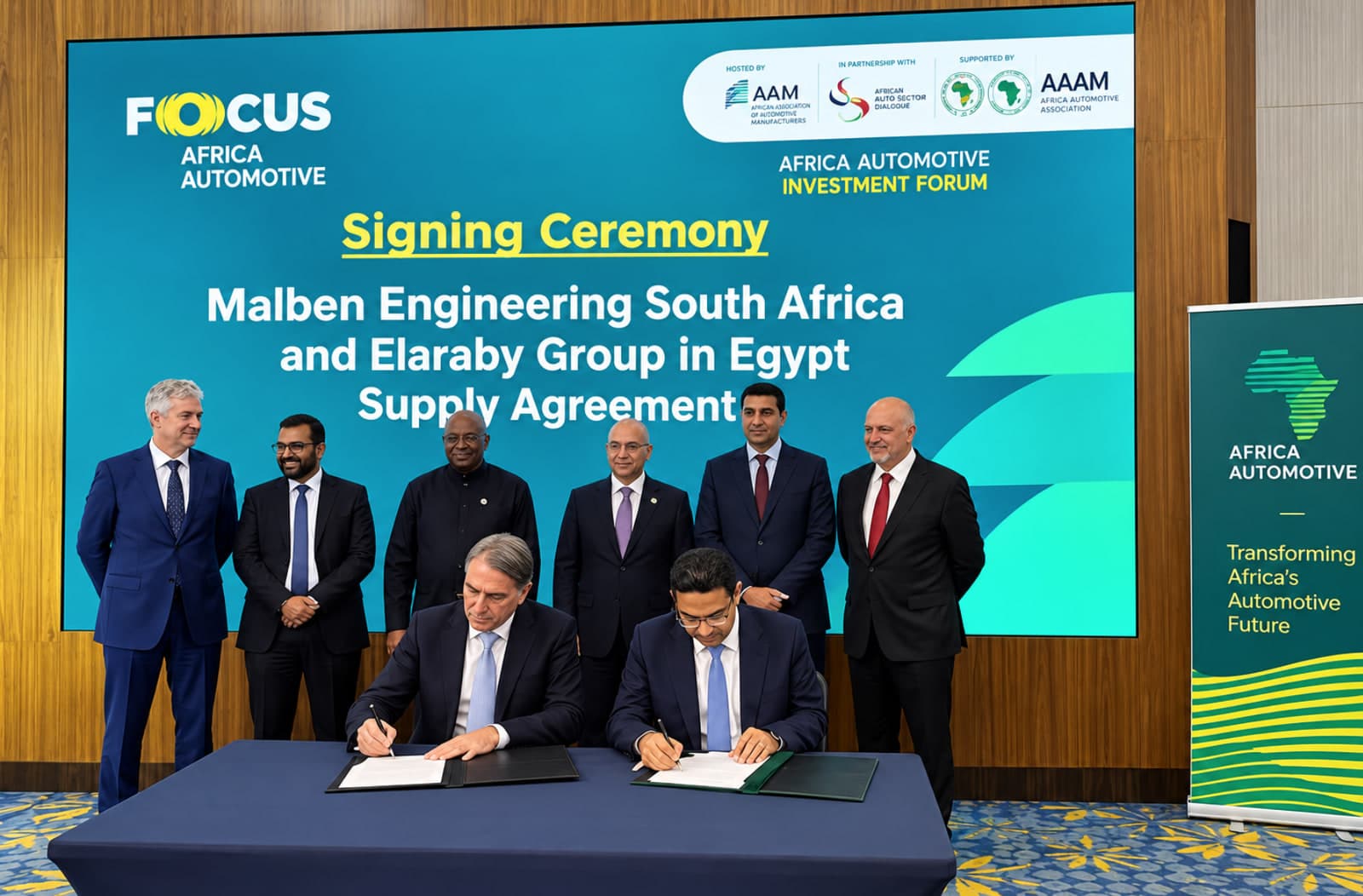
News
Malben SA and Egypt’s Elaraby look at automotive parts manufacturing
2 min read
News
Hyundai recalls 162 Santa Fe Hybrid SUVs over seat-belt anchor concern
2 min read
News
Suzuki’s electric Vitara is in South Africa, but will buyers get to drive one?
3 min read
News
BMW is bringing a 326kW X3 to South Africa
2 min read