

Egypt to Build $39 Million Battery Plant for Electric Trucks and Buses
The companies behind the plant
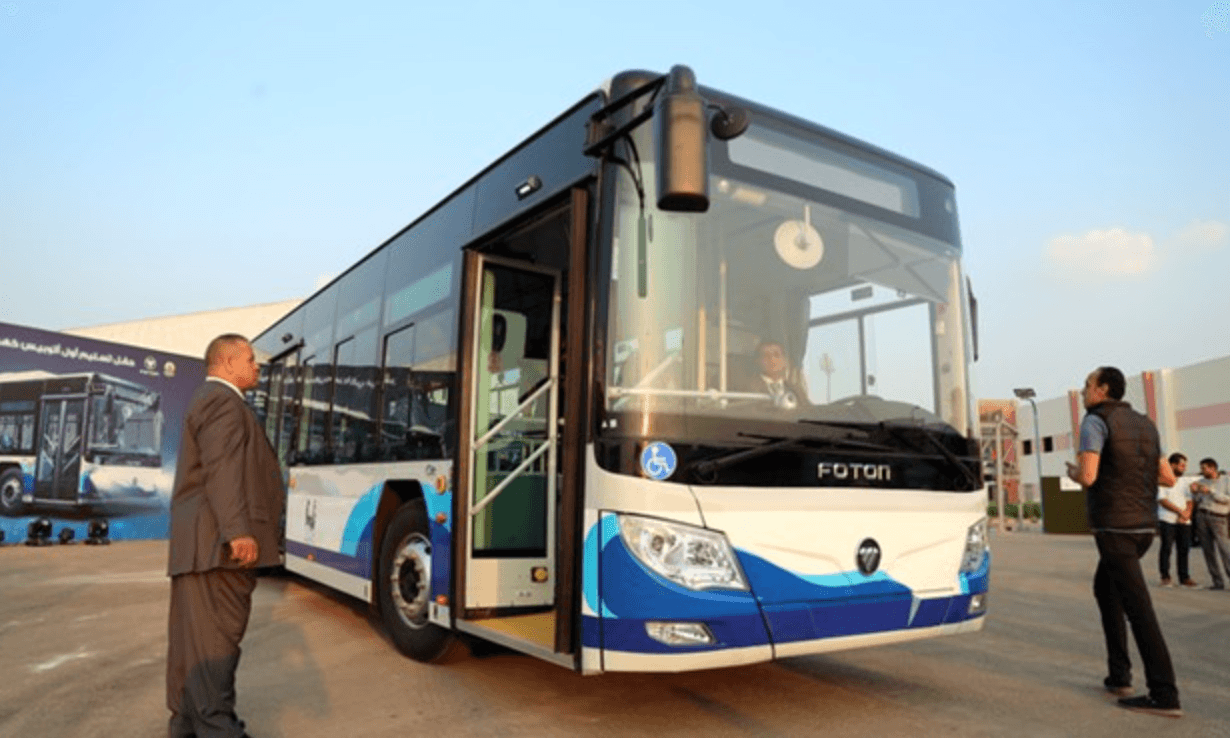
Egypt is moving into battery production for electric vehicles, starting with trucks and buses. Egyptian battery company BME has signed a deal with Chinese battery manufacturer CATL to build a battery plant in Egypt. The first phase requires more than $39 million in investment and will have annual production capacity of 1 GWh. The batteries will mainly be used in heavy commercial vehicles. The plan is to increase production to 5 GWh a year in a second phase. That phase is expected to include batteries for passenger vehicles and electricity-storage systems. The project has a 40% local-content target.
The companies behind the plant
BME was established by Egyptian transport manufacturer MCV and Auto D for Industry, Trade and Supplies. MCV makes commercial vehicles, including buses. That connection gives the battery plant a direct link to vehicle production in Egypt. The initial focus on commercial vehicles also gives BME an existing market to work with as more electric buses and trucks enter service.
Why commercial vehicles come first
Electric trucks and buses are often used differently from passenger cars. A bus may follow the same route every day and return to a depot at night. A delivery truck may leave a distribution centre in the morning and return later in the day. For these vehicles, the operator can plan where and when charging takes place. The operator also has to keep track of electricity costs, maintenance and battery life. A battery factory therefore becomes part of the operating cost of the vehicle, not just a component sitting inside it.
What local companies could supply
The 40% local-content target gives Egyptian companies something to work towards. A factory of this size needs contractors and suppliers for everyday operations. That can include electrical services, machinery maintenance, transport, warehousing, security, cleaning, packaging and other industrial services.
Companies may also be able to supply some components and materials. The exact list will depend on what BME and CATL decide to manufacture locally and what they continue to import. That distinction matters. A factory can operate in Egypt without creating a large local supplier base if most of its components and equipment are imported.
CATL is providing the battery expertise
CATL is one of the world's largest electric-vehicle battery manufacturers. Its involvement gives BME access to established battery manufacturing technology rather than requiring the Egyptian company to develop the production process from the beginning. The plant will also require workers with technical skills in battery production, electrical systems, equipment maintenance and quality control. Those skills will be useful beyond this one factory if Egypt's electric-vehicle manufacturing sector continues to expand.
Passenger cars come later
The first stage is focused on heavy commercial vehicles. The planned second stage would broaden the factory's output to passenger vehicles and energy storage systems. That would give the plant more customers beyond truck and bus manufacturers. It would also put the factory into a much larger market if electric passenger-car production in Egypt increases. For now, the first target is 1 GWh of annual production.
What happens after that will depend on how quickly electric vehicles are being produced and sold in Egypt, and how much of each battery can be sourced locally.The 40% local-content target will be worth watching once production begins.
Vutomi Manzini
Share Your Thoughts
Loading comments…
Keep Reading
More Stories You'll Like
 News
NewsEVs Are Getting Cheaper in South Africa. Small Businesses Are Going to Notice
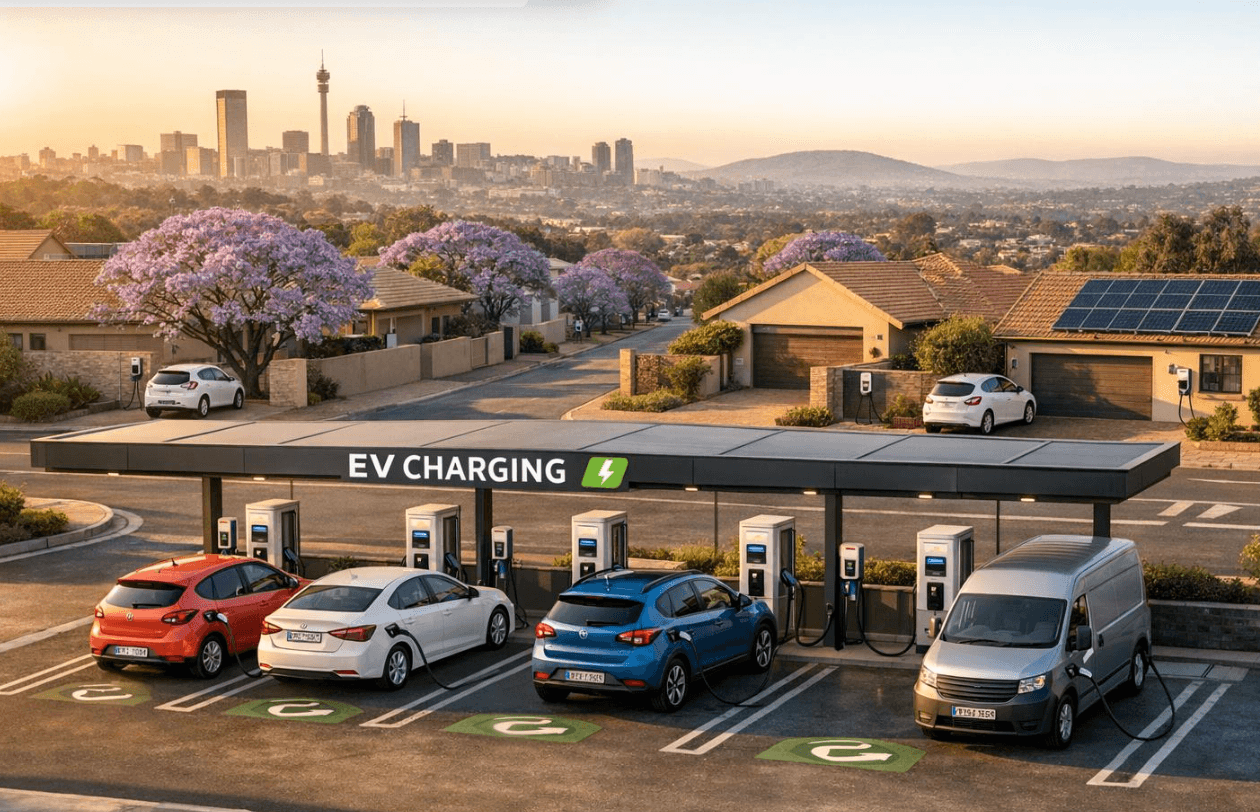
The price of an electric car in South Africa has been coming down. AutoTrader says the average price of a new battery-electric vehicle fell 13% during the first half of 2026. Chinese manufacturers are also bringing more models into the country, with some competing at prices that would have been difficult to find in the local EV market a few years ago. For a small business, the interesting part isn't simply buying an electric car. It is everything that happens after the car is sold. Consider a small workshop in Johannesburg
News
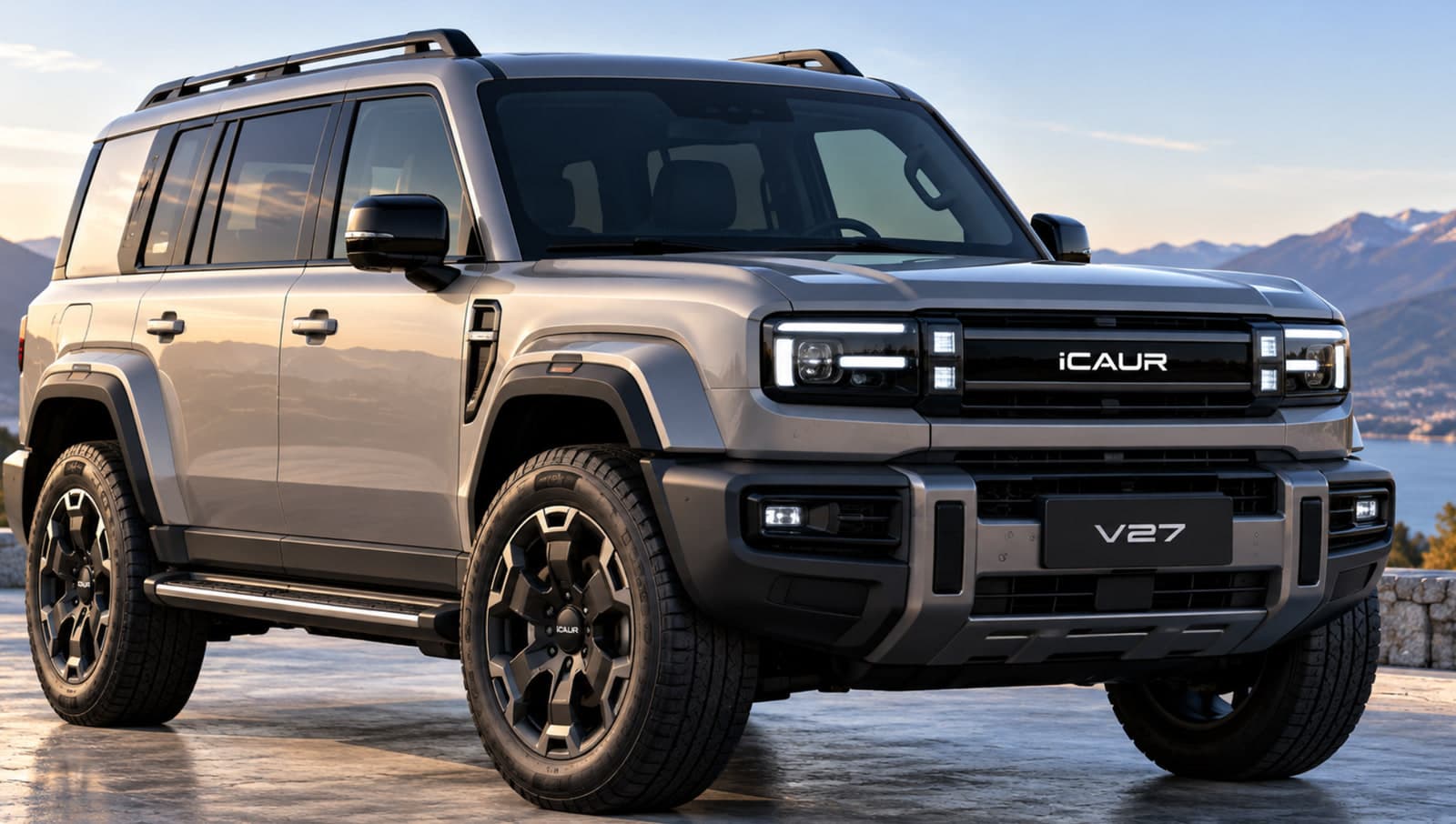
iCAUR V27 heads to South Africa with electric power and a petrol generator
2 min read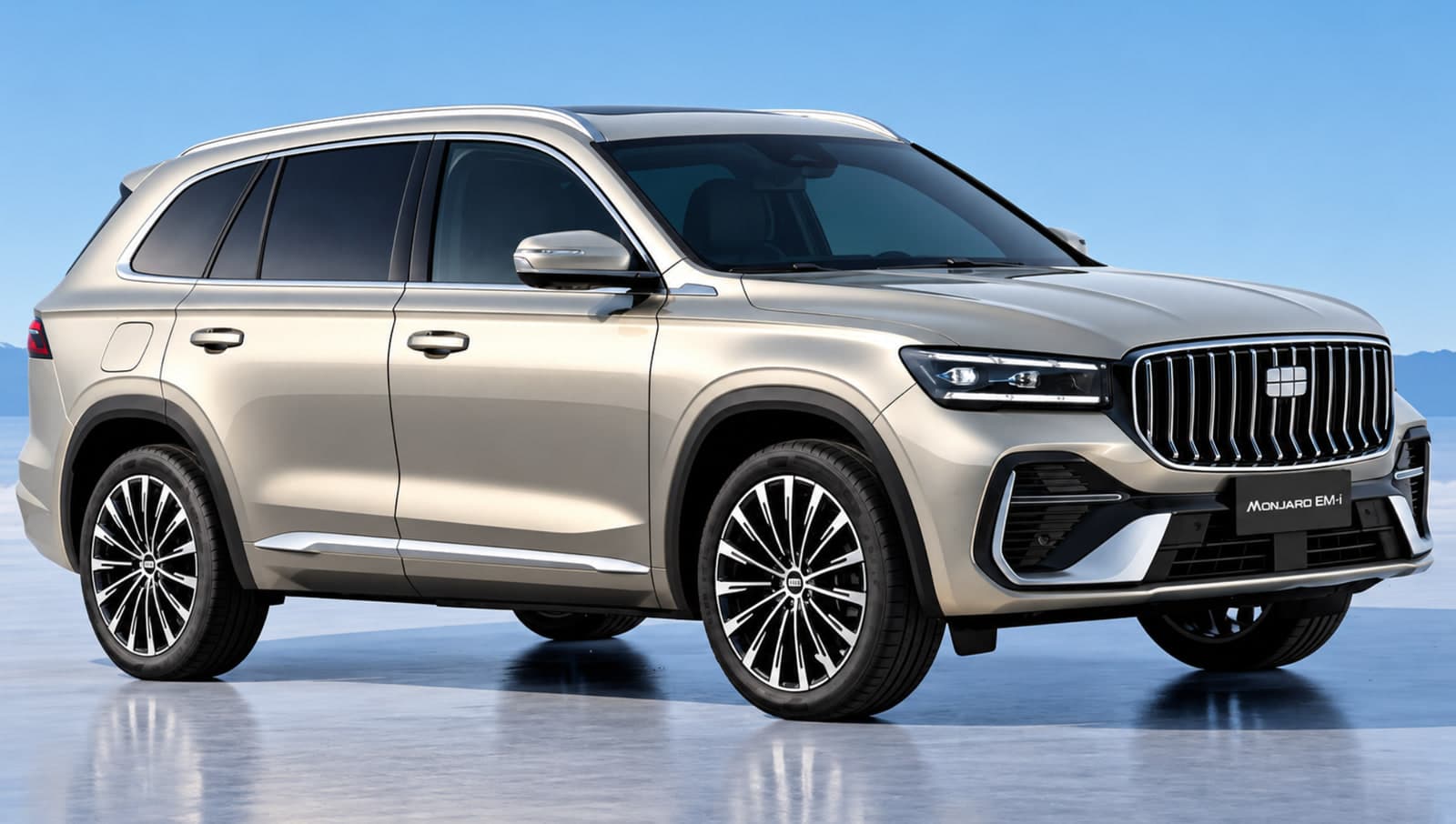
News
Geely’s new Monjaro EM-i brings plug-in hybrid power to a large SUV
2 min read
News
GWM adds another contender to South Africa's hybrid SUV market
2 min read
News
Nissan Patrol set to return to South Africa next year
2 min read
News
Chery is bringing its Grootman bakkie to South Africa’s production lines in 2027
2 min read