


Industry Insights
Inside South Africa's Auto Industry: How APDP Keeps SA Building Cars
The government's Automotive Production and Development Programme has kept car manufacturing alive in SA — here's how it works
Share
Advertisement
South Africa''s automotive manufacturing industry — built over 60 years around plants in Uitenhage, Rosslyn, Silverton, Prospecton and East London — survives and thrives because of a carefully constructed government support programme.
The Automotive Production and Development Programme (APDP), introduced in 2013 to replace the earlier Motor Industry Development Programme, provides volume-based production incentives to manufacturers who meet specified local content thresholds.
**How APDP Works**
Manufacturers earn Production Incentive credits based on manufactured vehicle volumes. These credits can be used to offset import duties on components — allowing manufacturers to source specific components globally (where quality or scale advantages exist) while maintaining local assembly.
**The Numbers**
South Africa assembles approximately 650,000 vehicles per year and exports approximately 380,000 of these globally. Total automotive exports generate approximately R140 billion annually — the single largest manufacturing export category.
**The Manufacturers**
Toyota: Prospecton (Durban) — Hilux, Corolla Quest, Fortuner
Volkswagen: Uitenhage (Eastern Cape) — Polo Vivo, Polo (some)
Ford: Silverton (Pretoria) — Ranger
BMW: Rosslyn (Pretoria) — 3 Series, X3
Isuzu: Struandale (Port Elizabeth) — D-Max, MU-X, commercial vehicles
Mercedes-Benz: East London — C-Class (ended production 2022)
**Post-2022 APDP Phase 2**
The current APDP Phase 2 runs to 2035, providing manufacturers with investment security. The additional EV requirements — manufacturers must begin transitioning toward EV production by 2030 — set the framework for SA''s automotive EV future.
Advertisement
V
Vutomi Manzini
Share Your Thoughts
Loading comments…
Keep Reading
More Stories You'll Like
 Industry Insights
Inside BMW's Rosslyn Plant: South Africa's Most Important Car Factory
BMW's Rosslyn plant near Pretoria is one of the most important automotive manufacturing facilities in the Southern Hemisphere. We go inside to see how South Africa builds cars for the world.
Vutomi Manzini 7 min
Industry Insights
Why the Ford Ranger Dominates SA's Mining Fleet Market
6 min readIndustry Insights
Toyota Prospecton: The Plant That Built South Africa's Most-Loved Vehicle
7 min read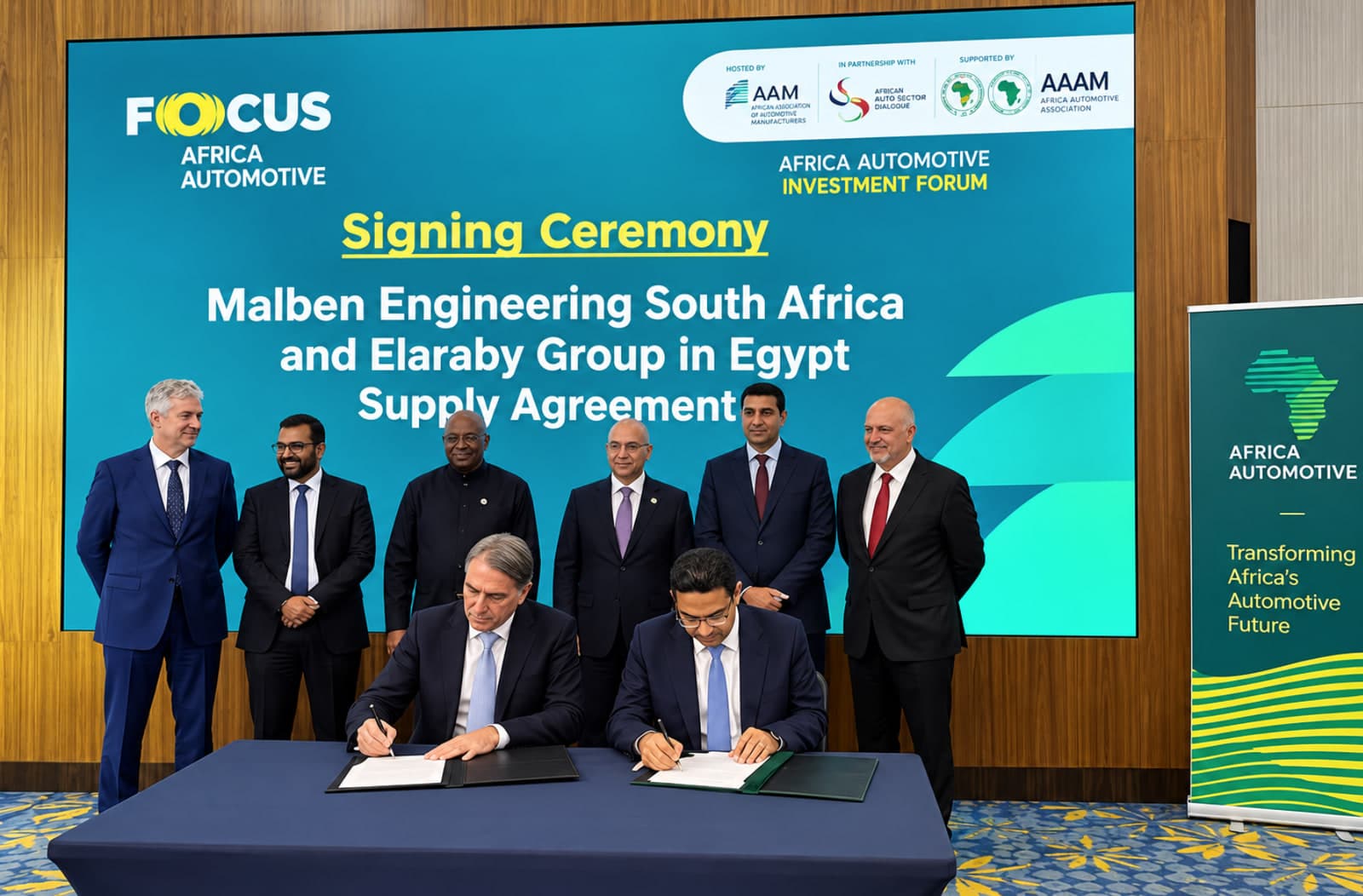
News
Malben SA and Egypt’s Elaraby look at automotive parts manufacturing
2 min read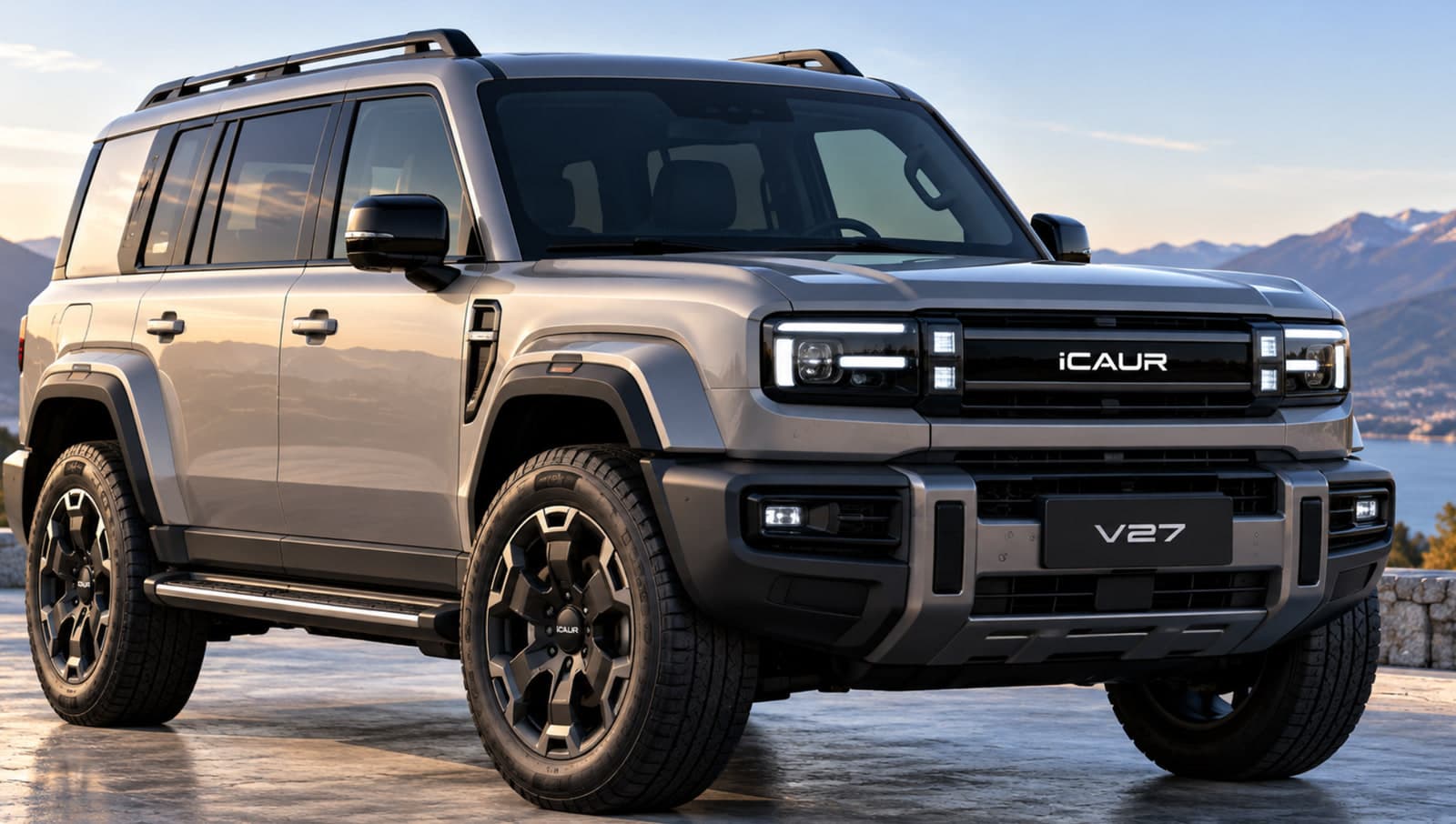
News
iCAUR V27 heads to South Africa with electric power and a petrol generator
2 min read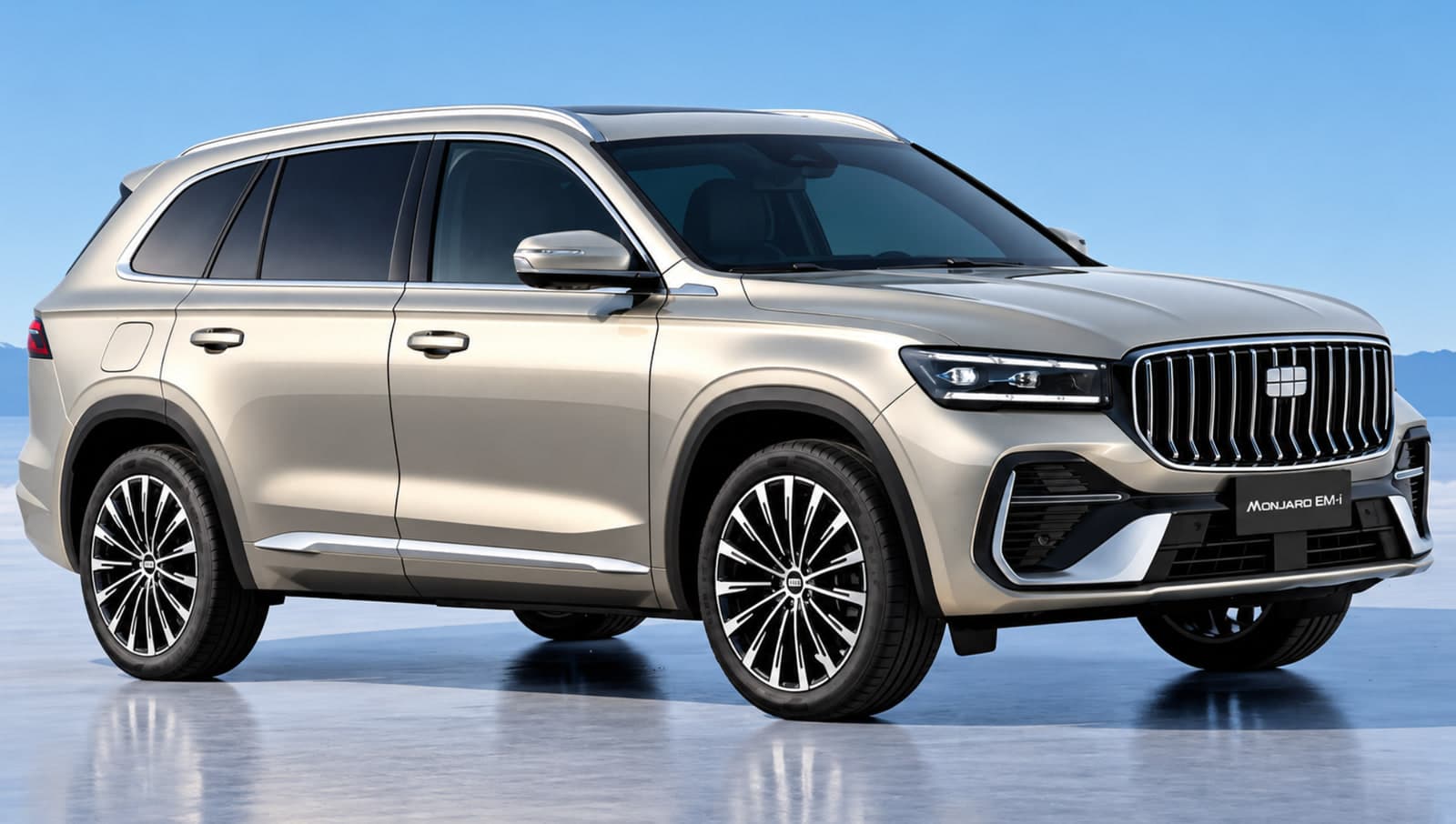
News
Geely’s new Monjaro EM-i brings plug-in hybrid power to a large SUV
2 min read

