


Features
Petrol vs Diesel: Which Engine is Better for South African Drivers in 2024?
With petrol hitting R22/L and diesel R22.50/L, does the diesel premium still make financial sense?
Share
Advertisement
For decades, diesel was South Africa''s sensible choice for high-mileage drivers. The fuel cost per kilometre was lower, diesel engines were more torquey, and they lasted longer between major overhauls. In 2024, that calculus has become more complicated.
**The Fuel Price Reality**
At R22/L for 95 ULP and R22.50/L for 50ppm diesel, the traditional diesel price advantage has narrowed significantly. For every 100km, the difference between a 7L/100km petrol car and a 5.5L/100km diesel alternative is now approximately R5 — compared to R15-20 per 100km five years ago.
**Total Cost of Ownership**
Diesel engines cost more to buy (typically R40,000-60,000 premium), service more expensively (diesel particulate filters and EGR valves add cost) and require premium grade fuel. Over 100,000km, the break-even point versus an equivalent petrol model has moved from approximately 60,000km to 100,000km.
**When Diesel Still Makes Sense**
High annual mileage (20,000km+), regular towing, intercity travel (where diesel efficiency advantages are greatest) and commercial use still strongly favour diesel. A Hilux 2.8 GD-6 driven 30,000km per year remains significantly cheaper to run than a petrol alternative.
**When Petrol Makes More Sense**
City-centric driving (where diesel efficiency advantages are minimal), annual mileage under 15,000km, vehicles under 5 years old (petrol maintenance cost advantage) and budget-conscious first cars.
**The Hybrid Alternative**
Toyota''s hybrid options — Corolla Cross HEV, RAV4 Hybrid — achieve petrol prices with diesel economy. For city-heavy driving, they often beat both petrol and diesel on total cost.
Advertisement
V
Vutomi Manzini
Share Your Thoughts
Loading comments…
Keep Reading
More Stories You'll Like
 Features
Ford Ranger 2.0 BiTurbo Wildtrak: The Complete Weekend Bakkie
From corporate commute to mountain trail in one vehicle — we test if the Ranger Wildtrak lives up to its all-purpose billing.
Vutomi Manzini 7 min
Features
Kia Sportage 1.6 T-GDi GT-Line: Our Six-Month Report Card
8 min read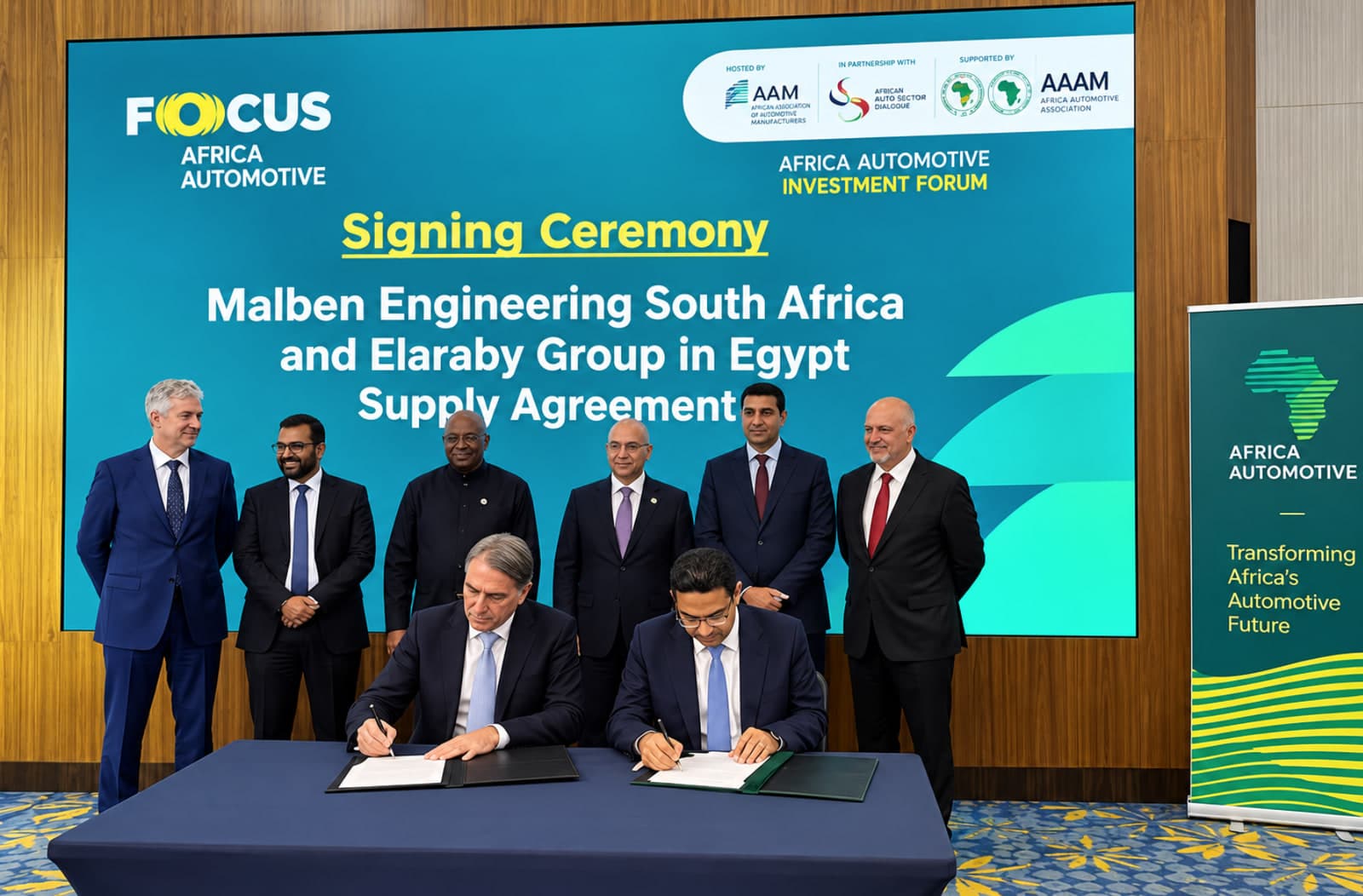
News
Malben SA and Egypt’s Elaraby look at automotive parts manufacturing
2 min read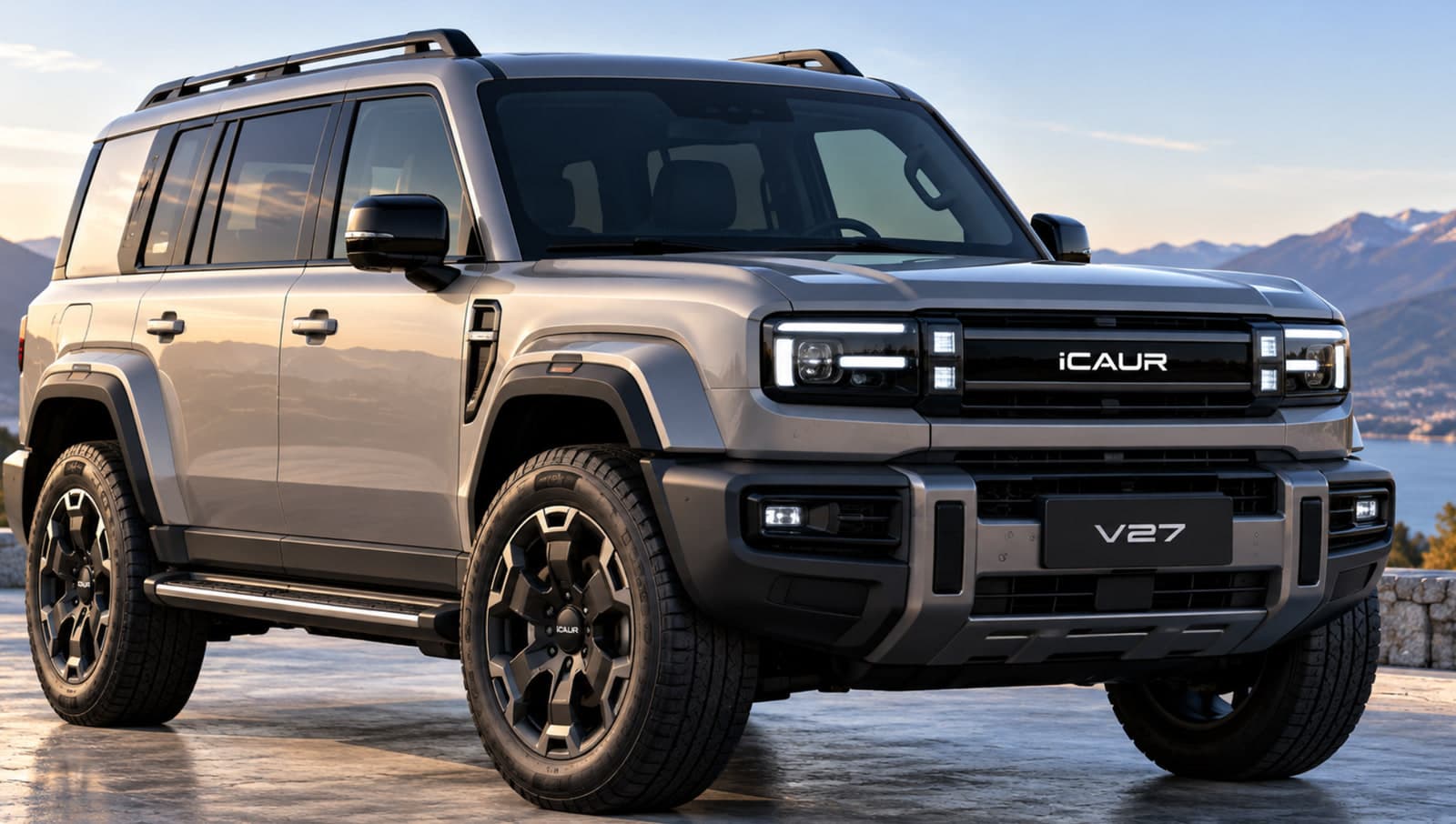
News
iCAUR V27 heads to South Africa with electric power and a petrol generator
2 min read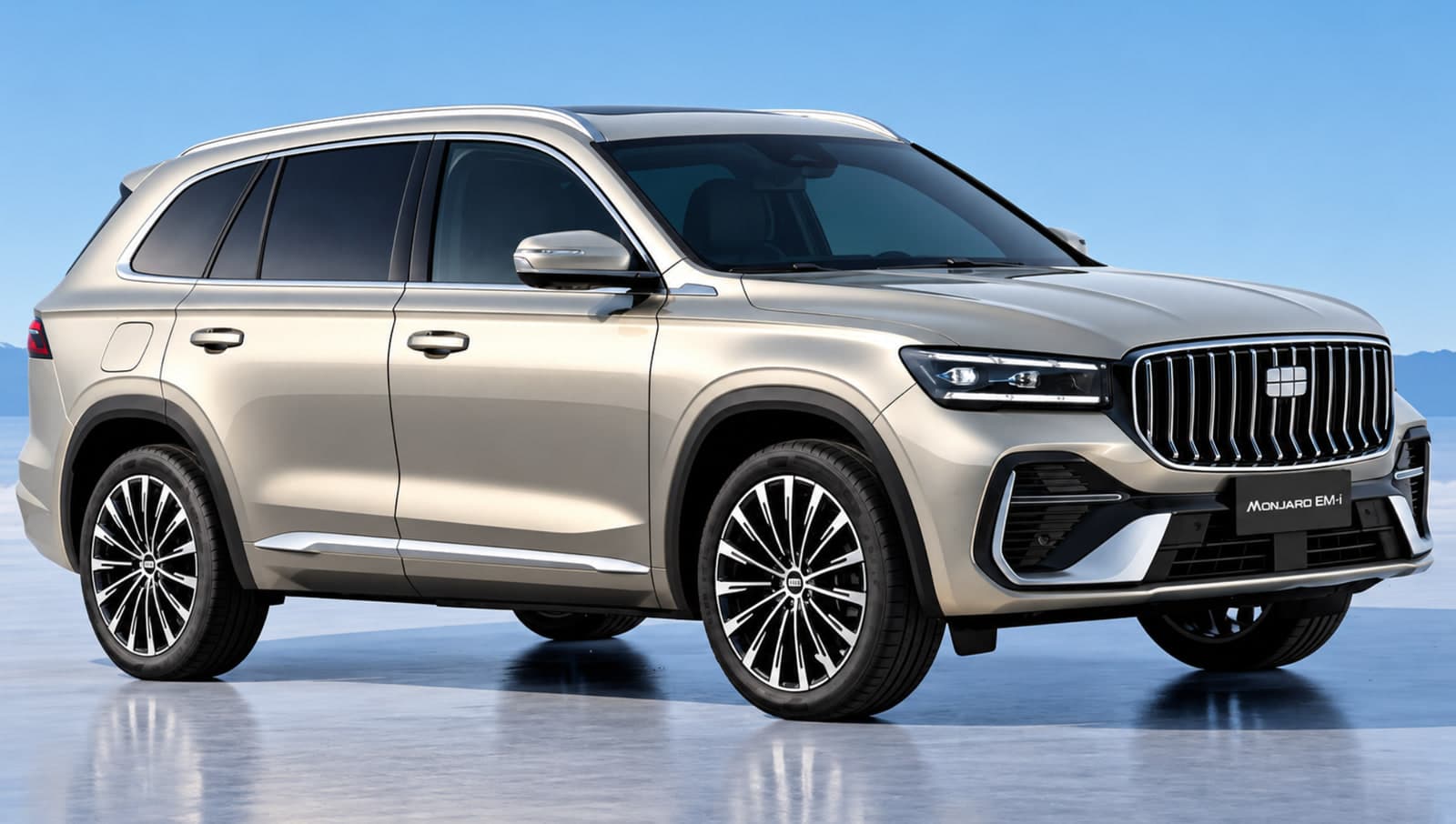
News
Geely’s new Monjaro EM-i brings plug-in hybrid power to a large SUV
2 min read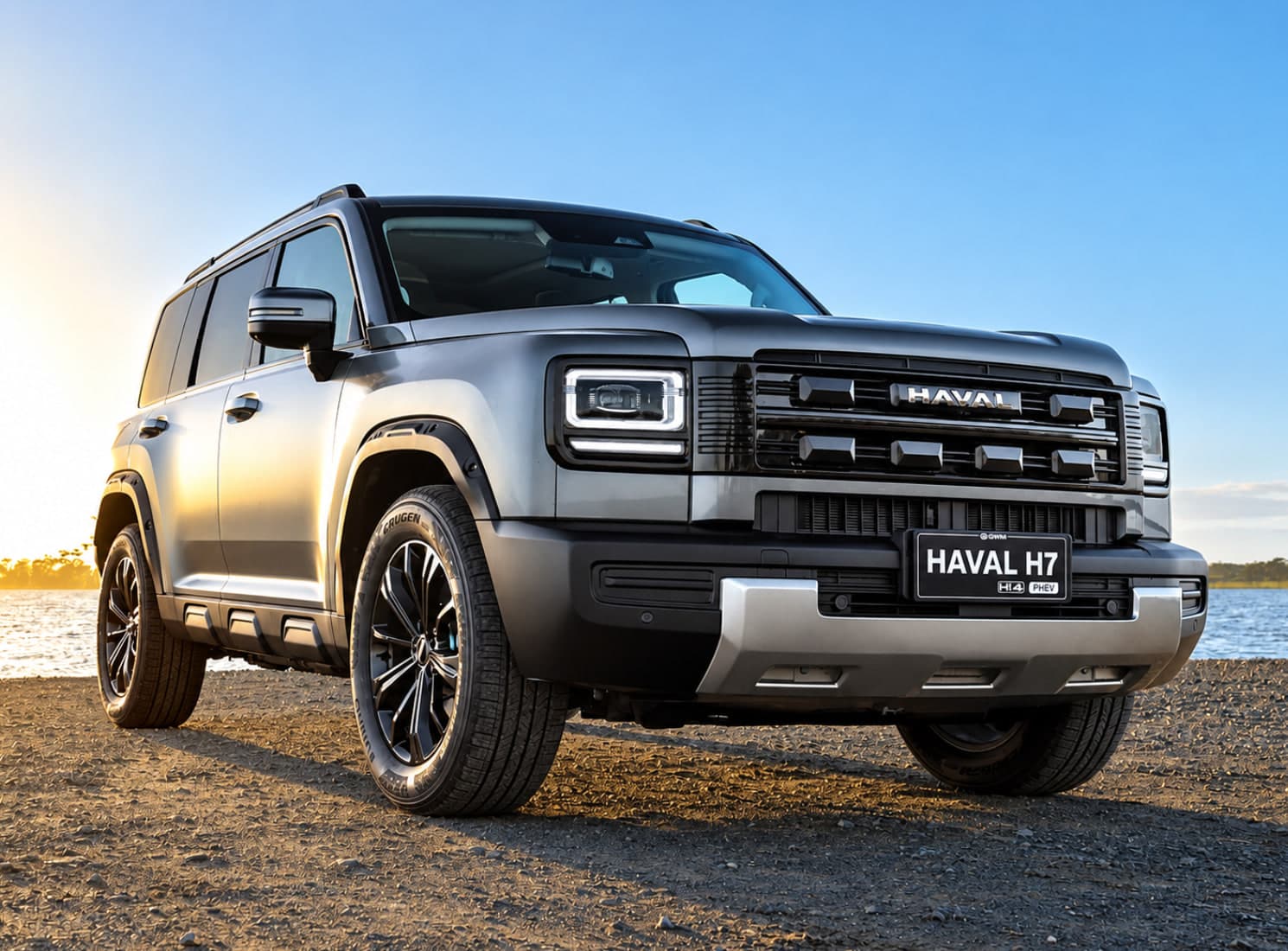
News
GWM adds another contender to South Africa's hybrid SUV market
2 min read
